
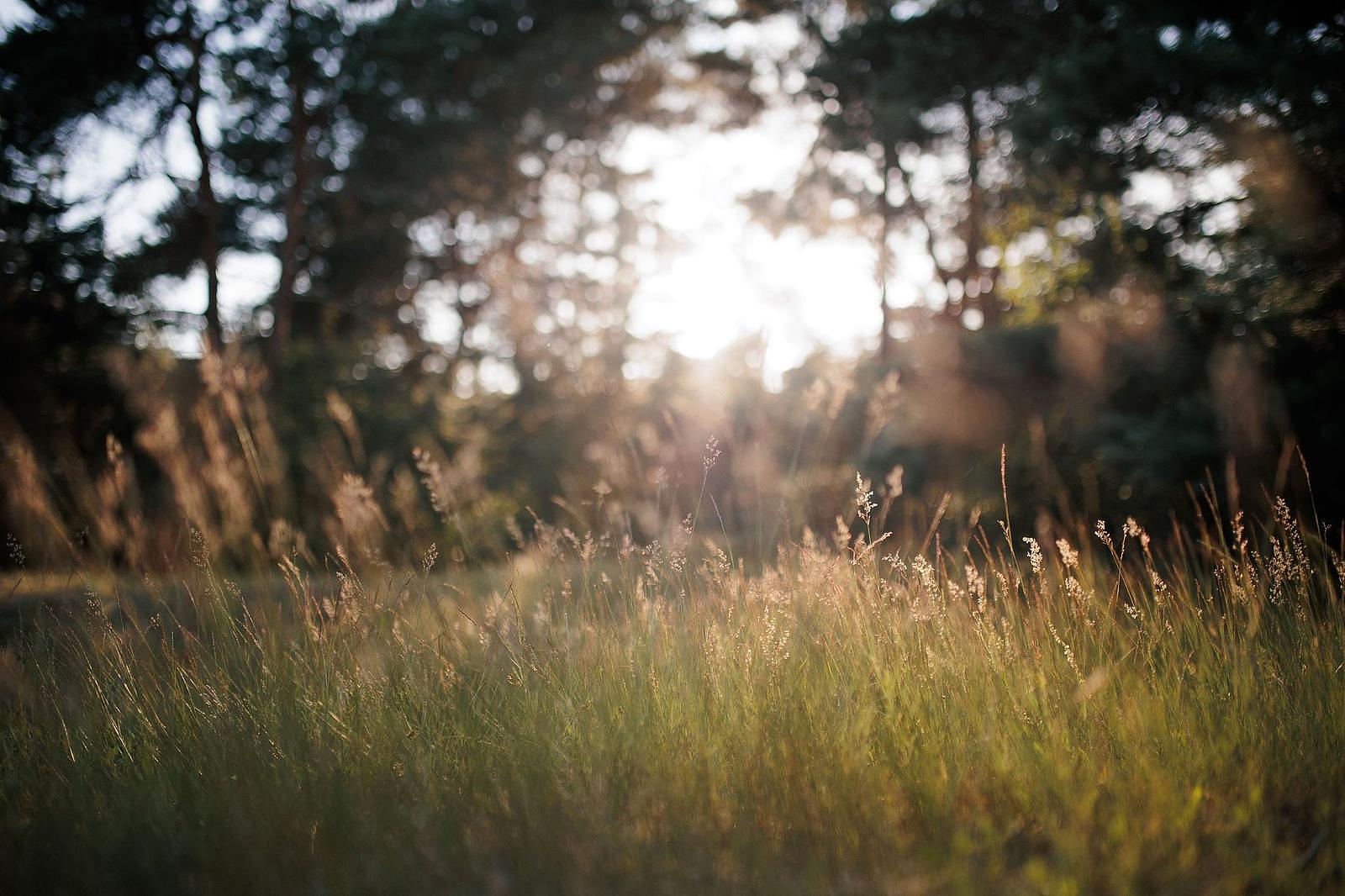
What Grows and Blooms Here
Young leaves in the spring, flowers along your walk, and acorns on the path in the fall. The greenery at and around Berkenrhode Park changes with the seasons. If you walk a little slower, you'll always see something different. A new sapling, a bee on a flower, or the delicate texture of moss on a tree trunk.
Young leaves in the spring, flowers along your walk, and acorns on the trail in the fall. The greenery at and around Park Berkenrhode changes with the seasons. If you walk a little slower, you'll always see something different. A new sapling, a bee on a flower, or the delicate texture of moss on a tree trunk.
Trees That Define the Veluwe
In the forests of the Veluwe, you'll find trees including birch, Scots pine, and oak. The brightly colored birch trunks and the green of the pines make every walk different, even when the deciduous trees lose their leaves.


Focus on Native Plants
The park focuses on native plants: plants that occur naturally in the Netherlands. Many local insects depend on certain native plants for food or reproduction. With appropriate landscaping, we create spaces for these connections between the homes and along the trails.
It's not just flowers that are valuable. Leaves, seeds, fruits, and sheltered branches also play a role. A plant can provide food at one moment and serve as a shelter later in the year. As a result, the vegetation plays an important role throughout the season.
Unique plants in the area
The Veluwe consists of various landscapes, ranging from dry forests and heathland to wetter areas. These differences also include other plants. For example, De Hoge Veluwe National Park is home to rare species such as the marsh gentian, the bog asphodel, and the heath milkwort. They grow where conditions are right for them and show just how diverse nature is in the region.
When you're out for a walk, you don't have to look for rare species to see something special. Take a look at the leaves on a tree, the flowers along the trail, or what's growing under the bushes. Leave the plants where they are so that the next hiker can enjoy them too.
Vegetation that’s allowed to grow its own way
In the Nature Experience Forest, the vegetation is given more freedom to grow. There, we let nature take its course as much as possible. You can see how a forest changes, from young plants growing beneath the trees to leaves that slowly become part of the soil.